Aristotle: “Every action aims at some good.”
Good = better = improvement = upgrade.
So: upgrading isn’t something you do. It’s the reason you do everything.
Which begs the question: what is the upgrade process?
One motive.
One process.
Almost nobody sees either one.
Matthew Bennett missed both for 35 years.
*For everything
you do.
*One is above all others.
Whether you know it or not.
Where are you?
Baseline
What do you want?
Desires
What do you see?
Options
What will you trade off?
Decisions
Will you do it? On purpose.
Implementation
Upgrade Science
noun
The study of getting somewhere better. Intentionally.
Discoveries
The Upgrade Process
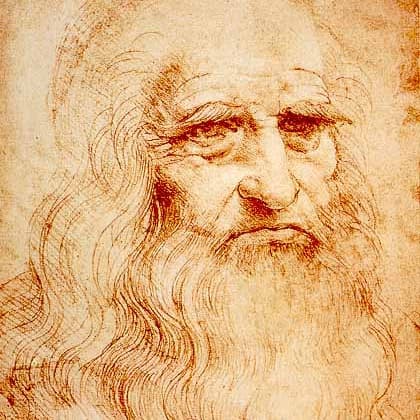
Simplicity is the ultimate sophistication.
Everything that gets better follows the same five steps.
Upgrade your
A GPS doesn’t work if you lie about your starting location. Where are you? How are you? Who are you? This is your starting place – what or where you "Upgrade from."
What you have wanted is what you have really sought in the past. What you want to want is what you want when you think about it deliberately. What do you want? What drives you? This is what or where you "Upgrade to."
Are you evaluating your options against your real desires and baseline, or against habit and comfort? How are you going to get what you desire? What do you "see"? This is "How you might get there."
When (not how) you make your decision is the primary concern of The Upgrade Process: not until you have assessed your options, according to your desires, in light of your baseline. Stay with the status quo? What will you trade-off? You can't decide against your highest apparent desire.
Just do it. The fifth thing, not the first.
Fractal Nature
Things that can possibly be upgraded include your step-one, identification of your baseline. What's the process to upgrade step one? The same process to upgrade anything, of course. Like the snowflake and many things in nature, the upgrade process is fractal – five steps inside every step.
Dynamic Nature
The upgrade process is dynamic because it interacts with the dynamics of reality, including friction and the fact that everything changes. The process is also dynamic in the sense that the five 'steps' are not necessarily sequential, but everything affects everything else.
Upgrade Phases
In travel, there are four phases: The Trip Dreaming phase, Trip Planning, Trip Booking, and Trip Optimization. Some projects, like deciding where to go to dinner, don't require anything more than the five steps. However, if you're buying a house or developing a relationship or developing software, your work is going to have more than one phase. The five steps run fully within each phase. The larger the project, the more phases you'll have.
What is an option in the ideation phase or dreaming phase turns into your desire in the planning phase, for example. We often spin our wheels by misunderstanding options for desires when we don't consider what phase we're in.
The "Why" Behind Your "Why"
The Upgrade Paradigm
An upgrade is any move from where you are to somewhere better. A goal hit. A problem solved. A transformation – in your health, your money, your marriage, your work. Different areas. Same move.
Aristotle observed that every action, every pursuit, aims at some good. Every single one. Which means upgrading isn't only something you do. It's the reason you do everything.
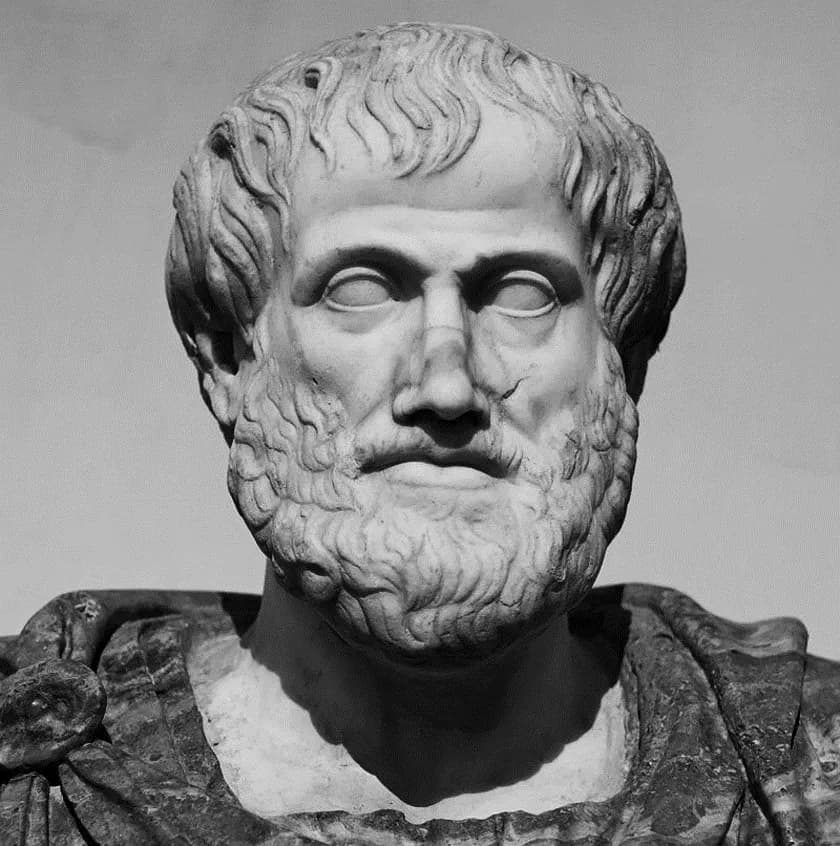
Every action aims at some good.
Simplicity is the ultimate sophistication.
Paradigm First Principles
- 01The motive behind all human action may be understood as the desire to improve (aka upgrade) one's life or the lives of others.
- 02So, your brain is an "upgrade calculator."
- 03Thus, your "upgrade calculator's algorithm" is of prime importance.
- 04Your Brain is "programmable."
- 05Therefore, there is no better way to spend your time than improving your improvement engine.
Matthew Bennett, Founding Student
The 35-Year Upgrade: From a Coach Seat to Upgrade Science
- 1991Began learning how the airline system works – and where its best ticket options hide – as a minor-league pitcher with the Kansas City Royals, flying to spring training in a coach seat and wanting a better one.
- 1995Authored the first two books of their kind for travel agents: a directory of the top 200 airline consolidators, then the Sourcebook of Wholesale Travel.
- 1996Founded FirstClassFlyer.com, the air travel industry's longest-running publisher, including a flagship monthly newsletter, ebooks, and airfare and mileage award alerts. 7,000,000+ upgrades served.
- 2001Invented an ethical ticketing strategy to get $32,567 First Class tickets for $2,987.
- 2003Became personal Upgrade Advisor to Hall of Fame athletes, Academy Award and Grammy winners, CEOs, and people who run countries.
- 2006Earned the nickname "Mr. Upgrade" and trademarked it the same year.
- 2007Published the London Flight Guide, the first to rate airline seats by flying them all in Business and First Class.
- 2012Invented a strategy to book multiple separate trips on a single airline ticket, for less than the price of one trip.
- 2024Discovered the Five-Step Upgrade Process after twenty-eight years of reverse-engineering how travelers got a better seat: the same five steps every time. It came together in Jeddah, Saudi Arabia, on the Red Sea, the 117th country traveled to.
- 2025Realized the subject was never travel. The same five upgrade steps are universal, applying to relationships, business, career, health, anything – and fractal: each step is upgraded by the same five.
- 2026Founded Upgrade Science: the study of the nature and structure of deliberate change for the better. Launching The Upgrade Formula, the method built on the process.

I've let more upgrade opportunities slip through my fingers than I can count, across every area of life. We all have. Here's to upgrading how we upgrade.
See you up front, on more than just flights.
 Matthew Bennett, Mr. Upgrade